Solar energy systems are becoming an increasingly familiar sight across the Midwest, but many homeowners still wonder how they work and what benefits they provide.
A typical solar panel is made of crystalline silicon cells enclosed in tempered glass and supported by an aluminum frame. When multiple panels are connected, they form a solar array, which converts sunlight into usable electricity.
As sunlight hits the panels, it energizes electrons within the cells, creating a flow of direct current (DC) electricity. Because homes use alternating current (AC), an inverter converts this energy into a form that powers appliances, lighting, and everyday household needs.
When a system produces more electricity than the home is using, the excess energy can be sent back to the grid through net metering or stored in a battery system for later use.
Battery storage is becoming increasingly popular as homeowners look for more control over energy costs and reliability. Batteries store excess electricity generated during the day and make it available at night or during outages. Stored energy can also be used during peak utility hours, helping reduce reliance on higher-cost grid power.
Financial incentives continue to support solar adoption. State rebates, financing options, and net metering policies can make solar more accessible and affordable for many households.
Before starting a project, industry professionals recommend carefully evaluating contractors. Key factors include whether a company is locally based, its experience, customer feedback, and its ability to guide homeowners through permitting, incentives, and financing. Comparing multiple proposals and asking questions can help ensure a smooth installation process.
Stateline Solar, a family-owned company founded in 2017 with offices in Lena and Galena, serves residential, commercial, and agricultural customers throughout northern Illinois and southern Wisconsin. In addition to solar installations, the company offers battery storage, EV charger installations, off-grid solutions, and ongoing system support.
As energy costs and reliability remain important concerns, solar and battery storage systems are expected to play an increasingly important role in how communities produce and manage electricity in the years ahead.
Across the Midwest, farmland is more than acreage—it is heritage, livelihood, and the foundation of rural communities. Yet despite its importance, reliable information about what land actually sells for can be surprisingly difficult to find. That’s where Land Sales Bulletin plays a vital role.
For more than three decades, Land Sales Bulletin (LSB) has served as one of the Midwest’s most trusted sources for rural land sales. In a region where agriculture shapes local economies, family legacies, and community identity, LSB provides something essential: accurate, timely, recorded countylevel land sale data. Our data provides a clear, factual picture of the land market—free from speculation, rumor, or inflated auction chatter.
What Land Sales Bulletin Does
LSB focuses exclusively on recorded land sales of 20 acres or more, across 10 core Midwest states: Illinois, Iowa, Indiana, Michigan, Minnesota, Nebraska, North Dakota, Ohio, South Dakota, and Wisconsin, pulled directly from county courthouse records. This means:
No pending sales
No auction estimates
No unverifiable numbers
Just finalized, documented transactions that reflect real market activity.
Each sale includes countylevel detail—acres, price, land type, soil ratings, PINS, and buyer/seller information when available—giving farmers, landowners, brokers, lenders, appraisers, investors, and rural communities the transparency they need to make informed decisions.
Why This Matters to the Public
Even for residents who are not involved in agriculture, land sales influence daily life:
Local businesses depend on strong farm income.
Schools and infrastructure rely on stable property valuations.
Community planning requires understanding how land use is changing.
Economic development hinges on the health of rural land markets.
Accurate landsale reporting puts boots on the ground and helps ensure fairness, transparency, and informed decisionmaking across the region.
The Human Story Behind Every Sale
Every land sale represents a turning point:
A retiring farmer passing land to the next generation
A young operator expanding to stay competitive
A family settling an estate
A community adjusting to new ownership
LSB’s role is to document these transitions with accuracy, timeliness and regard. By preserving the facts, LSB helps ensure that decisions—large and small—are grounded in facts.
Midwest Land Use: What the Data Shows
LSB’s 10 Midwest states remain among the most agriculturally productive in the nation. Across the region, one trend is clear: fewer farms, larger operations, and continued consolidation. Iowa was the only state in the group to gain farms between 2017 and 2022; all others saw declines.
When combined, LSB states contain roughly 260 million acres of farmland—representing nearly 30% of all U.S. farmland. That concentration underscores the Midwest’s role as the core of U.S. food, feed, and fuel production.
How Land Sales Bulletin Supports the Region
LSB’s subscriptions provide:
Completed, documented land sales of 20+ acres
State and countylevel detail on actual recorded sale transactions
Historical back data for market trend analysis
Reliable benchmarks for appraisals, lending, and estate planning
Consistent reporting across 10 states that anchor American agriculture
Because nearly onethird of U.S. farmland lies within these states, LSB’s reporting helps shape national understanding of land values and market trends.
What Sets Us Apart
Our strength lies in our hands-on analysis of land sales data by local Midwest-trained land sales data specialists. This expertise ensures every documented land sale transaction is carefully reviewed and contextualized, providing unparalleled insight into the true market dynamics of the region. Our specialists bring knowledge and experience, making our data not just accurate, but actionable for farmers, landowners, realtors, lenders, investors, and appraisers alike.
Additionally, Land Sales Bulletin distinguishes itself through its commitment to transparency and consistency. We source data exclusively from official county courthouse records, ensuring that every sale reported is a complete, documented transaction. This rigorous approach eliminates speculation and provides stakeholders with trustworthy, timely information. Our ongoing dedication to quality makes us the Midwest’s most reliable land sales resource and choice for rural land sales data.
A Clearer Future for Midwest Land Markets
With rising farmland values, increasing investor participation, and ongoing consolidation, the need for transparent and documented land sale information has never been greater. Land Sales Bulletin is committed to delivering the clarity, consistency, and integrity Midwest rural real estate professionals rely on—supporting informed decisions and honoring the land and communities we serve.
Keeping your car running smoothly can seem like a daunting task, but there are many ways to catch issues before they become a problem that are not as complicated as it might seem. I hope through this article to offer a few simple tips that can be done on your own to help keep on top of the maintenance of your vehicle.
1. A simple place to start is your tires. Though many vehicles now monitor your tire pressure for you, doing a monthly check of the pressures of all tires, including your spare, is a great place to start. While there, check each tire for uneven tread wear as this may be a sign of steering or suspension components that are worn out and need attention.
2. There are several fluids in your car that are easy to check their level. Engine oil, power steering fluid, brake fluid, windshield washer fluid, and transmission fluid. Learning to check all of these fluids keeps us from being surprised with issues that could have been caught if the low fluid was found ahead of time. If you are not sure how to check these fluids, there are many repair shops that would be happy to show you what you need to know to check them.
3. The engine air filter and cabin air filter should be checked when you have your oil changed. The cabin air filter is one that can be easily forgotten but can improve the functionality of your heat and AC system inside the car.
4. There is nothing like getting into a little rain and having your windshield streaking and those windshield wipers only making things worse. Most auto part stores have a good selection of wipers available and will often install them for free for you. While you’re at it, get a gallon of windshield washer fluid to make sure that it is topped off.
5. Now let’s check on that battery. First we want to see that the car battery connection is clean, tight, and corrosion-free. The battery should also be securely mounted. If the battery is three years old or more, you should have it tested and replaced if necessary. Testing can be done at many auto parts stores or repair shops.
One thing I have always enjoyed is teaching people a little something about their car. I want you to understand what I am doing and why instead of just taking my word for it. I truly hope that these tips can be helpful and take some of the intimidation out of your vehicle and that it gives you the courage to take a look at your car and learn something.
One final thing is just to use your ears when you are out and about in your car. Are you hearing a new squeak or rattle or knock? It might be a good time to call a mechanic to have them take a look at it and see what they can find. As a mobile mechanic, I can do most diagnostic and repairs wherever it is most convenient for you. So, give me a call and I will meet you at your home or work or anywhere you might need the help of a mechanic.
A new year brings fresh energy, new goals, and—for many people—a renewed desire to “finally get it together” with money. But financial wellness isn’t about perfection, complicated spreadsheets, or depriving yourself. It’s about clarity, intention, and building systems that support your real life.
If you’re looking to strengthen your financial footing in 2026, here are practical, doable steps that can make a meaningful difference—no shame, no jargon, just tools that work for everyday households.
1. Calculate Your Net Worth (It’s Easier Than You Think)
Net worth isn’t about being “rich.” It’s a snapshot of your financial health.
The formula is simple:
What you own – What you owe = Your net worth
List your assets (bank accounts, retirement accounts, home value, vehicle value) and subtract your debts (credit cards, loans, mortgages). That’s it.
Tracking this number yearly helps you see progress even when day‑to‑day life feels messy. A rising net worth—no matter how slowly—means you’re moving in the right direction.
2. Review Your Beneficiaries, Insurance, and Subscriptions
Life changes. Your paperwork should too.
Take time to review:
Beneficiaries on retirement accounts and life insurance
You might find outdated beneficiaries, gaps in coverage, or recurring charges you no longer use. A quick audit can save money and prevent future headaches.
3. Revisit Your Financial Goals and Priorities
Your money should reflect the life you want—not the life you had five years ago.
Take time this month to ask yourself:
What matters most to me right now
What do I want to accomplish in the next 12 months
What financial habits or obligations no longer fit my values
Maybe you want to pay down debt, save for a home, build a cushion, or simply feel less stressed. Naming your priorities helps you direct your money with purpose instead of reacting to whatever pops up.
4. Use a Four‑Category Budget That Actually Makes Sense
Budgeting doesn’t need to be complicated. In fact, the simpler it is, the more likely you are to stick with it.
Try organizing your money into four categories:
Bills – The fixed expenses you must pay
Debt – Minimums plus any extra you choose to put toward payoff
Day‑to‑Day Spending – Your flexible, everyday purchases
Sinking Funds – Savings for irregular or future expenses
This structure gives every dollar a job without overwhelming you with dozens of categories. It also helps you see where your money is going—and where you have room to adjust.
5. Plan for Irregular Expenses Before They Surprise You
Most people don’t struggle because of their monthly bills—they struggle because of the ones that don’t show up every month.
Think about the expenses that hit once or twice a year:
Car registration
Insurance premiums
Holiday spending
Travel
Back‑to‑school costs
Medical bills
Home or vehicle maintenance
Pet expenses (vet visits, medications, grooming, annual shots)
These aren’t emergencies. They’re predictable, even if the timing varies.
Start by listing your irregular expenses and estimating the annual total. Divide that number by 12 to save monthly, or by the number of paychecks you receive each year—often 26—if you prefer to set money aside each payday. Either approach builds a sinking fund that keeps these costs from derailing your budget.
6. Simplify Your Spending with a Dedicated Daily‑Use Account
One of the easiest ways to avoid overspending is to separate your money by purpose.
Consider opening a second checking account just for day‑to‑day spending—gas, groceries, restaurants, household items. Transfer a set amount each payday. When the account is empty, you’re done spending until the next cycle.
This creates natural boundaries without requiring constant tracking or guilt. It’s a simple system that works beautifully for many households.
A Fresh Start Is Within Reach
Financial wellness isn’t about being perfect. It’s about building systems that support your life, reduce stress, and help you move toward your goals with confidence.
Start small. Pick one or two steps from this list and build from there. By the end of 2026, you might be surprised by how much clarity, control, and peace you’ve gained—one simple habit at a time.
And if you’d like support putting these pieces together, that’s exactly what we’re here for at Squirrel Financial Coaching. We focus on everyday money solutions—not investing or product sales—so you can build a financial life that feels organized, intentional, and truly your own.
A great counseling professor once taught me that all emotions serve a purpose. Anger brings our awareness to an injustice that has been committed. Fear brings our awareness to a potential danger to plan around. Sadness helps us honor what has been lost and create meaning in our lives. Excitement, some might argue, serves the purpose of motivating us during hard times. It gives us the resources we need to overcome daily life challenges and often finds us in moments of transition, when we’re moving into a new phase of life full of the unknown. Appreciation may be similar. I have found that appreciation allows one to approach life from a more positive perspective, which helps us think, feel, and act from a more positive and centered point of view. As we move into the holidays, many people are not feeling excitement and appreciation. In fact, holidays can be some of the hardest times of the year for those facing loneliness, financial hardships, seasonal depression, grief, and end-of-year deadlines. Which makes me wonder, is this the best time of year for celebration to serve its purpose? Throughout history and across cultures, humans have always had periods of celebration. When we look at ancient festivals and holidays, we find themes of celebrating powers bigger than ourselves, celebrating abundance and the resources that sustain us, and celebrating ancestors and community. Celebration not only helps create positive feelings with both short and long-term effects, it invites us to focus on and create things that motivate, sustain, and connect us. During this season of celebration, I invite you to reflect on what motivates, sustains, and connects you and incorporate them into your festive planning.
Motivation. What are the things that drive you? Excite you? Get you out of bed in the morning? Discovering our motivations invites us to purposefully incorporate them into our lives, giving us increased feelings of contentment and satisfaction. For example, perhaps one discovers that making money is a large motivation in their life and a source of great pride. This might motivate them to alter their yearly celebrations to focus more on frugality (to get increased satisfaction from saving money) or luxury (to celebrate and make use of what has already been earned).
Sustenance. Consider the things that most sustain you or in other words, fill your cup. Holiday seasons are often accompanied by time off from school or work, a great time to think about how to replenish what has been lost or abused during times of increasedhecticness and stress. Simply engaging in activities that fill your cup can be an act of celebration of the things that make life worth living. This may look like reading a book that’s been sitting on your nightstand for 5 months, playing a new video game that just came out, using the special bath salts that have been sitting in your cabinet, enjoying a slow morning with your favorite coffee and breakfast, or longer walks in the evenings with your dogs, just because.
Connection. Celebration is also an opportunity to create shared experiences with others. We know that shared experiences create long-lasting bonds between people, and in a time when many feel divided and at odds with one another, sharing celebratory experiences can restore feelings of community and belonging. Many people initially think of family when planning celebrations, but friends, neighbors, coworkers, school peers, and broader community members are also great candidates for a larger planned celebration or smaller more spontaneous celebrations.
I invite you to reflect on what these ideas mean to you, and what you want to get from this. season of the year or this season of life. How can you make the most of it? And what are your emotions during this time telling you that you need?
Sarah Fouts is a Licensed Professional Counselor (LPC) with Orion Family Services. Sarah provides both outpatient and school-based mental health services in Dane and Green County, including school-based services in the Monroe School District. Sarah works primarily with children and adolescents individually and in groups to help them overcome anxiety, depression, anger, and other behavioral challenges, as well as improve their relationships and self-confidence. In her spare time Sarah enjoys gardening, reading, and learning languages.
In 2019, CafePress, an online retailer, lost 30 million customer records—no backups, no recovery. Fines and lawsuits crippled their business. Think that only happens to big companies? Think again. A gas station’s POS crash during morning rush can cost a day’s revenue. A realtor losing listings mid-closing can kill a deal. One bad day—a server failure, a lost file—can mean angry customers, lost cash, or legal trouble. Hackers aren’t the biggest threat. Compliance is. Here’s how to stay safe.
Compliance Hits Everyone
Store names, emails, or payment info? You’re under HIPAA, PCI, or state data laws—even as a five-person shop. Sixty percent of small businesses that lose data close within six months. Why? Fines start at $25,000, lost trust costs more, and recovery is expensive. Most owners don’t know they’re liable until the letter arrives. A single leaked email can turn a loyal customer into a plaintiff. Start simple: audit your data. Know what you collect and where it lives. If your backups haven’t run in a month, you’re at risk.
Backups Are Your Legal Shield
Backups aren’t optional; they’re proof you did your job. A local contractor’s server crashed right before a bid deadline. Automated exports and cloud monitoring restored three years of contracts in an hour—no fines, no chaos, no lost deal. Without backups, they’d have faced a lawsuit from their subs. Treat backups like insurance: you don’t plan to crash, but they’re your lifeline when you do.
In-House IT Drains You
A full-time IT hire costs $40,000 a year, plus taxes and gear—say $60,000. For someone learning on your dime. Third-party IT starts at $300 a month for enterprise tools: automated backups, compliance checks, 24/7 support. Need more? Comprehensive plans run under $1,500—still less than one employee. You get a team, not a trainee, without the overhead.
Downtime Hurts Worse Than Hackers
A downtown café’s POS dies during breakfast rush? That’s a day’s revenue gone. A realtor loses listings mid-closing? Deal’s dead. A Main Street shop’s system crashes on Small Business Saturday? Customers walk—and they don’t come back. Small businesses lose thousands yearly to system failures. One lost sale can spiral into a bad review that haunts you for years. The fix isn’t just backups; it’s keeping your system up during tax season, payroll, or your busiest week. A reliable IT partner steps in when it breaks, steps out when it doesn’t.
Take Action Now
Monroe businesses deserve tech that works without the stress. Start by auditing your data—know what you collect and where it’s stored. Check your backups monthly. Not sure where to start? A local IT resource who understands compliance can help you avoid fines and downtime. Compliance and smart IT aren’t bills—they’re your shield. Focus on your shop, not your servers.
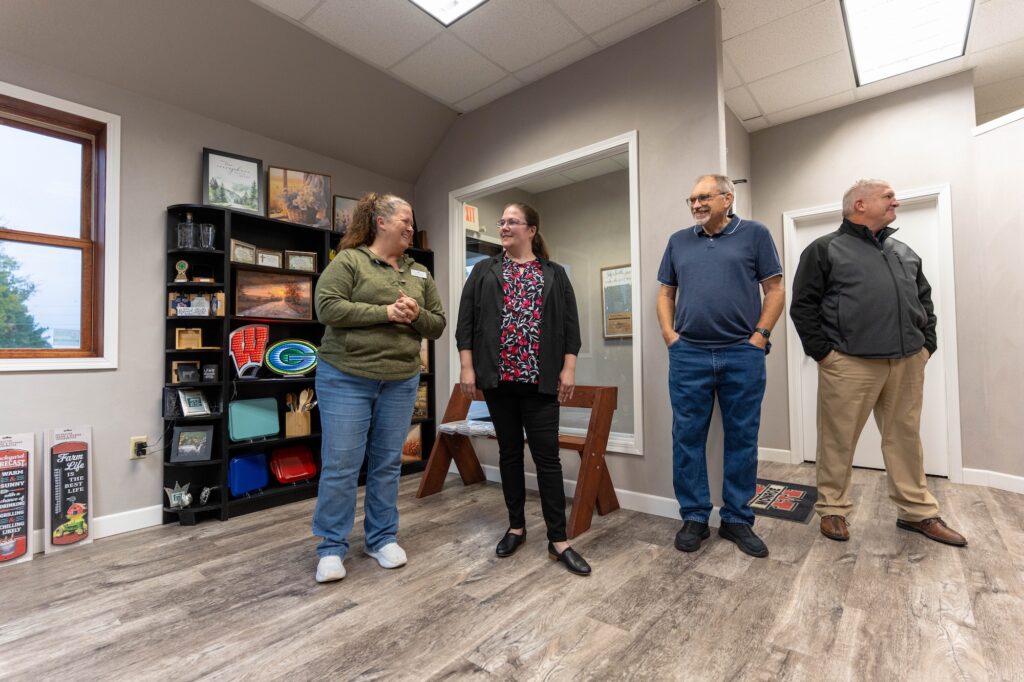
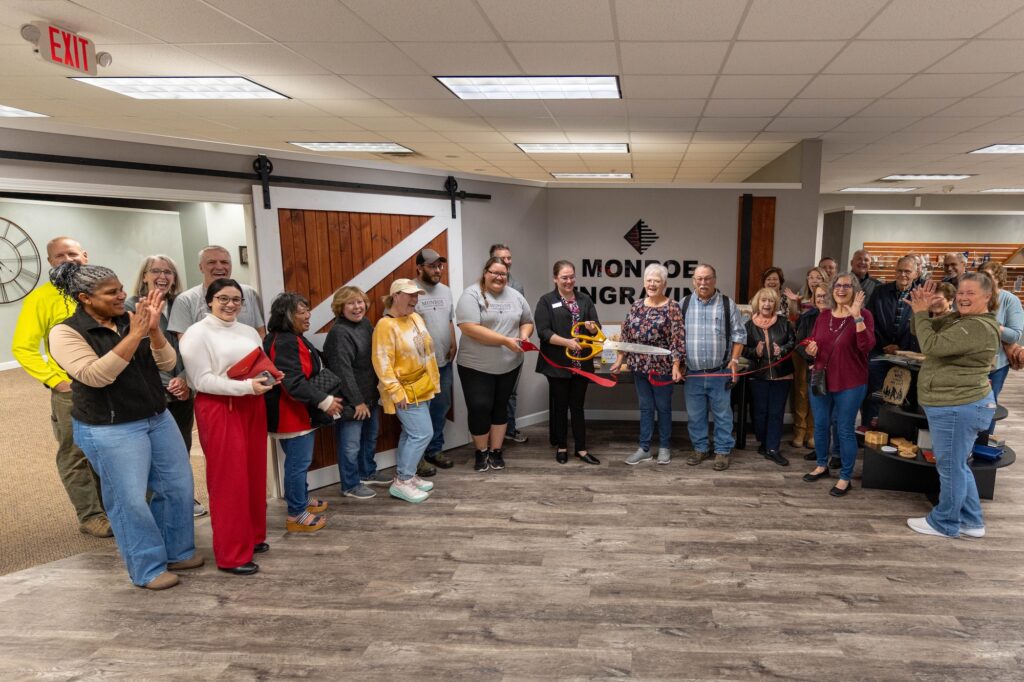
We had a wonderful turnout this past Wednesday for the Ribbon Cutting and Business After 5 at Monroe Custom Engraving!
Congratulations to Katie Turner, the new owner — we’re thrilled to celebrate this exciting new chapter with you. Your dedication and enthusiasm shine through, and we wish you every success in your new endeavors!
Thank you to everyone who joined us in supporting a long-time Chamber member and celebrating local business growth here in Monroe.
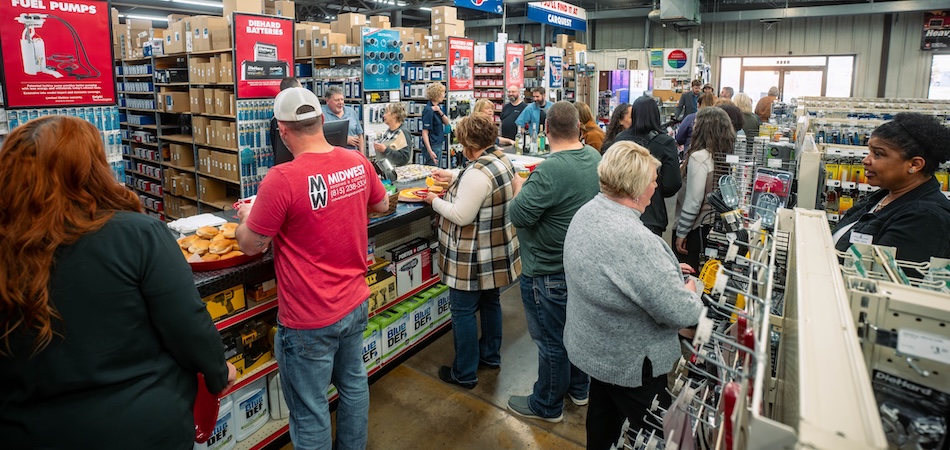
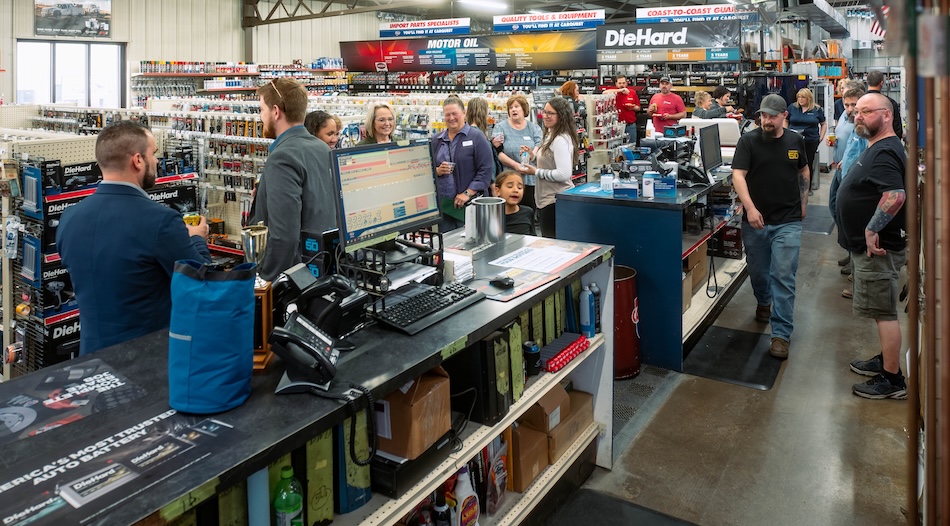
We had a fantastic Business After 5 on April 16 hosted by CARQUEST Auto Parts, a proud, locally owned third-generation family business serving our community since 1953!
Mark Blanc and his family not only run the Monroe location but also operate stores in Janesville, Freeport, Dixon, and Mendota. The Monroe store houses over 135,000 auto parts, with about 80% of their business supporting local repair shops—and yes, they also offer retail service for individual customers and farmers alike!
Beyond parts and service, CARQUEST gives back in a big way — having donated over $200,000 to Hire Heroes, a nonprofit helping U.S. servicemen and women, and their spouses, find rewarding careers here at home ????????????
Shop local. Support community. Drive impact.
Thank you, CARQUEST, for being a shining example of what local business is all about! ????
Monroe Chamber Business after 5 at the CarQuest Auto Parts store in Monroe, Wisconsin.Monroe Chamber Business after 5 at the CarQuest Auto Parts store in Monroe, Wisconsin.Monroe Chamber Business after 5 at the CarQuest Auto Parts store in Monroe, Wisconsin.